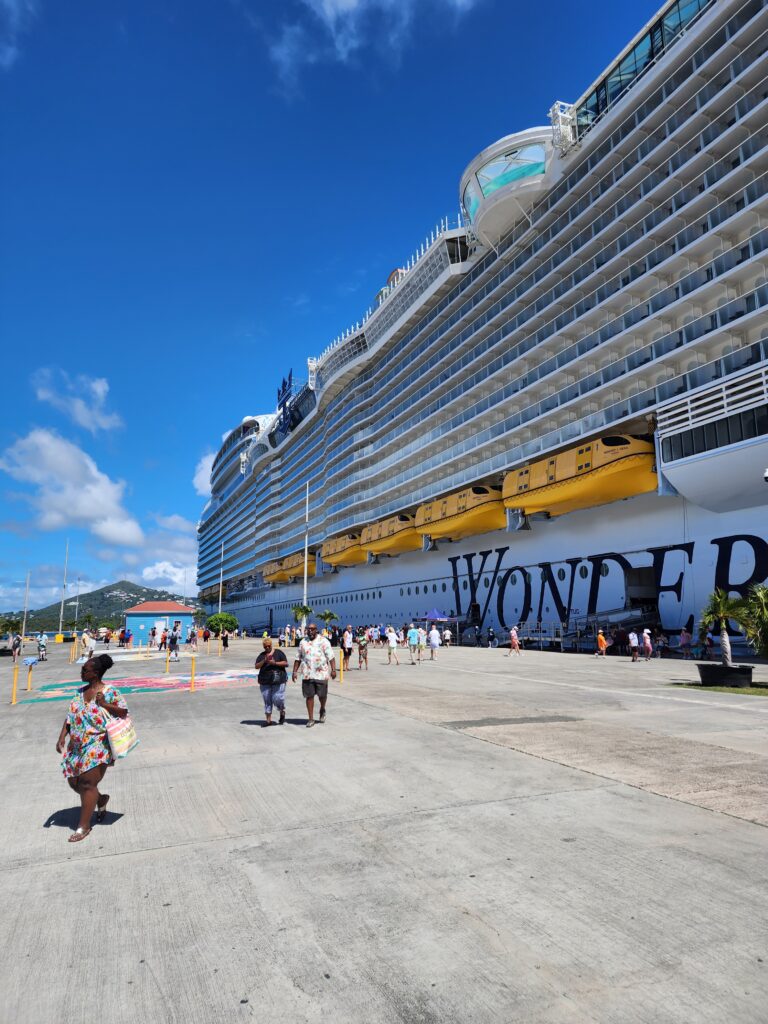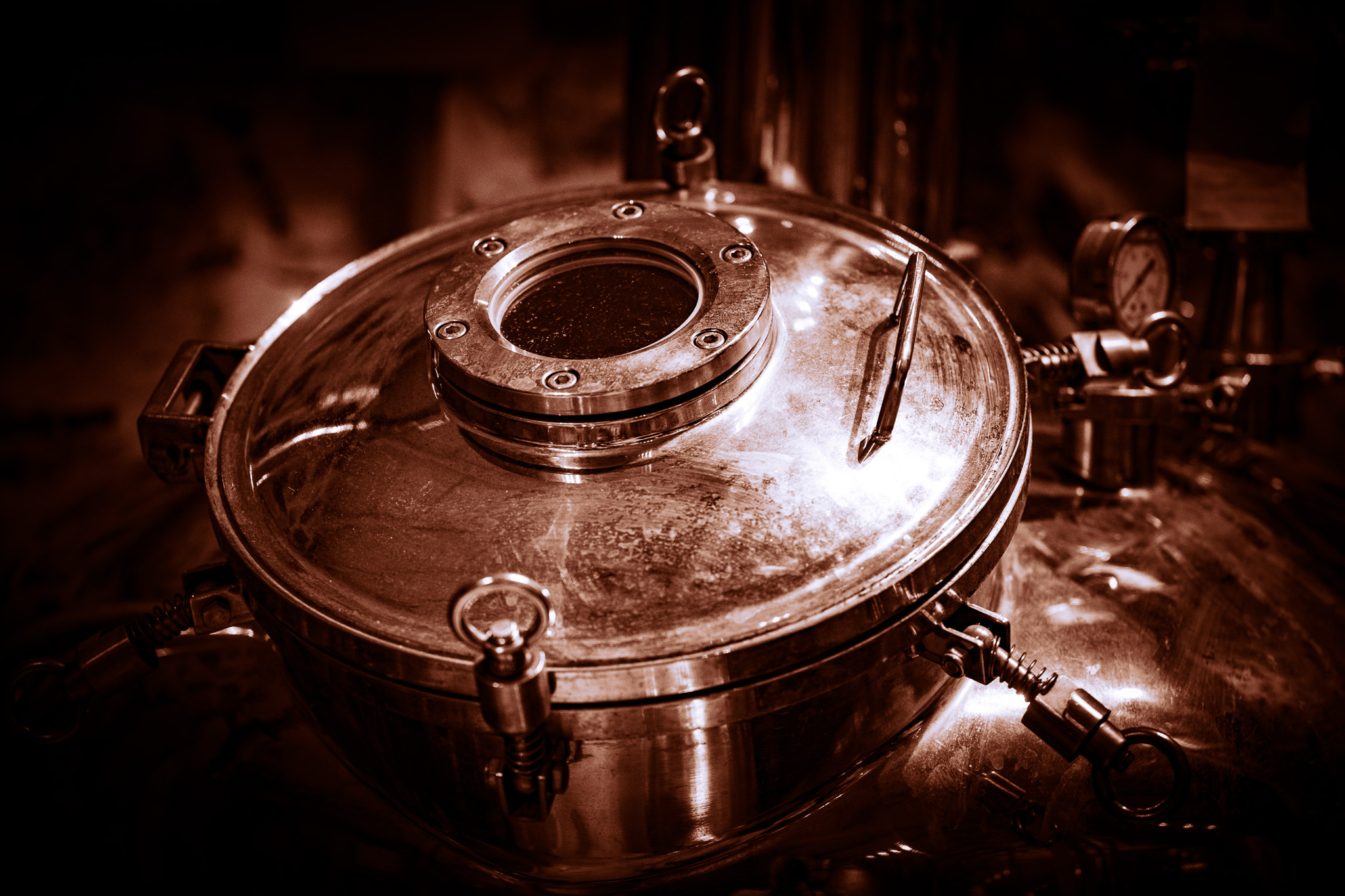
From centuries-old sugar plantations to boutique rum makers in historic Caribbean buildings, discover the spirited story of rum in St. Thomas, St. Croix and St. John.
For centuries, rum was woven into the islands’ economy, culture, maritime trade and everyday life. It helped build fortunes, fueled international commerce, and became inseparable from the complicated history of sugar plantations and colonial rule.
Today, the U.S. Virgin Islands are home to everything from major international rum producers to independent craft distilleries experimenting with local ingredients, traditional recipes and new ways of making spirits.
Whether you’re visiting St. Thomas on a cruise ship, exploring the historic sugar estates of St. Croix, or enjoying a sunset cocktail on St. John, there’s a rum story waiting to be discovered.
Here’s your guide to the history, distilleries, personalities and fascinating facts behind rum in the United States Virgin Islands.
A History of Rum in the Virgin Islands
The story begins with sugarcane.
During the 17th and 18th centuries, European colonial powers transformed much of the Caribbean into an enormous sugar-producing region. St. Croix, St. Thomas and St. John became part of the Danish West Indies, with St. Croix developing into an especially important center of sugar production.
Denmark acquired St. Croix from France in 1733, and the island’s plantation economy expanded rapidly.
By the late 1700s, sugar estates covered much of the countryside. Their stone windmills, boiling houses, warehouses and distilleries became familiar features of the landscape.
Producing sugar created enormous quantities of molasses, a thick, sweet byproduct that could be fermented and distilled into rum.
Rather than waste the molasses, plantation owners turned it into another valuable export.
Rum became an integral part of the Atlantic trading economy, traveling from the Caribbean to Europe and North America.
Ships carried barrels of sugar, molasses and rum through the ports of Christiansted, Frederiksted and Charlotte Amalie, exchanging them for manufactured goods, supplies and other commodities.
But this wealth came at a devastating human cost.
The plantation economy depended on enslaved Africans and their descendants, whose labor made sugar and rum production possible. Slaves cultivated the fields, operated machinery, constructed buildings and performed much of the skilled work necessary to keep plantations functioning.
Slavery in the Danish West Indies ended on July 3, 1848, following a mass movement for freedom on St. Croix.
[Source: National Park Service — Christiansted National Historic Sites – https://home.nps.gov/articles/christiansted.htm
From Danish Rule to the American Virgin Islands
During the 19th century, the sugar industry faced declining prices, international competition, hurricanes and major economic changes.
Many estates closed. Others diversified into cattle raising or different agricultural activities.
The United States purchased the Danish West Indies in 1917 for $25 million, establishing what became the U.S. Virgin Islands.
By then, the great plantation era was largely over, but rum production continued.
One of the best-known survivors would eventually become Cruzan Rum, whose historic Estate Diamond property has roots stretching back to 1760.
Interestingly, although the estate’s history reaches into the 18th century, the first rum officially labeled **Cruzan Rum** appeared in 1934.
That distinction is important: the property is considerably older than the modern brand.
[Sources: Cruzan Rum Heritage](https://www.cruzanrum.com/our-heritage) | [Virgin Islands Department of Agriculture](https://doa.vi.gov/our-history/)
How Rum Is Made in the Virgin Islands
At its simplest, rum is a distilled spirit made from sugarcane-derived ingredients.
Most rum around the world begins with molasses. Other varieties use fresh sugarcane juice or sugarcane syrup.
The basic process involves fermentation, distillation and, for aged rums, maturation in barrels.
Yeast converts sugars into alcohol during fermentation. Distillation concentrates that alcohol and shapes the spirit’s character. Aging can add aromas and flavors associated with oak, vanilla, caramel, baking spices and toasted wood.
The distillation equipment also matters.
Large commercial producers often use continuous column stills, while some smaller craft producers favor pot stills.
Cruzan, for example, uses a five-column distillation system and ages its rum in barrels previously used for bourbon or whiskey.
Smaller producers may use copper pot stills, different fermentation techniques, or locally grown botanicals to create distinctive spirits.
Not every Virgin Islands rum is made from sugarcane grown on the islands. The origin of the ingredients, location of distillation and place of bottling can differ considerably.
That’s why it’s worth asking a simple question when visiting a rum producer: **Where was this rum actually fermented and distilled?**
[Source: Cruzan — How We Make Rum](https://www.cruzanrum.com/how-we-make-rum)
The Rum Distilleries of the U.S. Virgin Islands
1. Cruzan Rum Distillery — St. Croix
Location: 3A Estate Diamond, Frederiksted, St. Croix
Website: https://www.cruzanrum.com/
Perhaps no name is more closely associated with Virgin Islands rum than Cruzan.
Located at historic Estate Diamond on the western side of St. Croix, Cruzan combines centuries of plantation history with modern commercial rum production.
The estate dates to 1760, while the Cruzan brand emerged in 1934. The Nelthropp family later became closely associated with the distillery, developing its reputation for smooth, approachable rums.
Today, Cruzan is owned by Suntory Global Spirits, although its St. Croix heritage remains central to the brand.
Cruzan produces a broad collection of spirits, including light rum, aged dark rum, single-barrel expressions, black strap rum and numerous flavored varieties.
Its production process relies on molasses, fermentation, multi-column distillation and oak-barrel aging.
Its blend of family history, industrial scale and island identity. The name itself reflects the people of St. Croix, commonly known as Crucians.
A visit offers an opportunity to see how a major rum distillery operates, from fermentation and distillation to barrel aging.
The distillery has a renovated visitor center, guided tours, a gift shop and a rum-tasting experience.
According to its current website, guided visits take approximately one hour. Reservations are recommended, although walk-ins may be accommodated.
Visitors can also book tasting experiences without taking the full tour.
For travelers interested in the history and craftsmanship of Caribbean rum, Cruzan is one of St. Croix’s essential stops.
[Book a Cruzan Distillery Experience](https://www.cruzanrum.com/tours-and-experiences)
2. Captain Morgan Rum Distillery — St. Croix
Location: South shore, St. Croix
Website: www.diageousvi.com
Captain Morgan may conjure images of pirates, tropical islands and bottles lined up behind beach bars around the world.
But there’s an important connection between the famous international brand and St. Croix.
The island is home to a major Diageo distillery producing Captain Morgan rum for the United States market.
The modern facility emerged from a 2008 agreement between Diageo and the U.S. Virgin Islands government.
Construction began in 2009, and the distillery was completed in 2010. Its first rum shipments left the island for bottling in 2011.
The facility occupies approximately 30 acres on the island’s south shore.
Unlike the historic Cruzan operation, the Captain Morgan facility represents the modern industrial side of Caribbean rum production.
Its story also demonstrates how significant rum remains to the territory’s economy.
The Captain Morgan Visitor Center offers a branded experience featuring rum history, sensory activities, tastings and retail.
Visitors should understand that the visitor-center experience is not necessarily a behind-the-scenes tour of the industrial production facility.
Check the official website for current booking arrangements before arriving.
3. Prosperity Farm Distillery — St. Croix
Location: Estate Prosperity, near Frederiksted
Website: www.prosperityfarmdistillery.com
One of the most interesting developments in modern Virgin Islands distilling is Prosperity Farm Distillery.
Opened in June 2025, this operation takes a different approach to the island’s historic relationship with sugarcane.
Rather than relying entirely on externally sourced ingredients, Prosperity grows and harvests sugarcane on its own property.
The cane is milled to extract fresh juice, which is fermented and distilled using copper pot stills.
The distillery describes itself as a farm-to-bottle operation, connecting agriculture, distilling and tourism.
Visitors can explore the farm, observe elements of the production process and sample the spirits produced there.
Its current collection emphasizes cane-based spirits, including tropical gin, sorrel gin, allspice dram, ginger liqueur, banana liqueur and mauby amaro.
Although these products are not all marketed as rum, the operation is particularly relevant to anyone interested in the revival of local sugarcane distillation.
It’s an opportunity to see sugarcane growing in the field and understand how the plant becomes a finished spirit.
The property’s historic farmhouse, tasting room and agricultural setting add another layer to the experience.
Prosperity represents a potentially important direction for Caribbean craft spirits: reconnecting distillation with the agricultural land itself.
4. Sion Farm Distillery — St. Croix
Location: 4000 Sion Farm, Christiansted, St. Croix
Website: https://www.sionfarmdistillery.com
Not every exciting Virgin Islands distillery concentrates exclusively on rum.
Sion Farm Distillery is best known for Mutiny Island Vodka, an innovative spirit made from breadfruit.
Founded around a vision of creating distinctive Caribbean spirits, Sion Farm has developed an identity centered on local ingredients, sustainability and experimentation.
Breadfruit is especially interesting because of its cultural significance across the Caribbean and its potential as a productive food crop.
But there is also a rum connection.
Sion Farm’s team has collaborated on Little Gem Spirits, a collection associated with Lovango Resort and Beach Club.
The products include Sweet Tamarind Rum, alongside other spirits infused with Caribbean flavors.
The project illustrates how contemporary distillers are experimenting beyond traditional rum categories.
Sion Farm has a working artisanal distillery, bar, restaurant and visitor experience.
Guests can see production equipment, learn about breadfruit vodka and sample specialty cocktails.
For visitors who appreciate craft spirits and unusual ingredients, this is a worthwhile stop.
5. 3 Queens Distillery — St. Thomas’ Oldest Distillery
Location: 13 Wimmelskafts Gade, Charlotte Amalie, St. Thomas
Website: https://3queensdistillery.com
One of the clearest and most direct links between sugar, slavery and rum is found at 3 Queens Distillery. The distillery is in a 200-year-old, Danish era, slave house. The house was built by a titan of the sugar and rum industry in the early 1800s.
The distillery is tucked away in the heart of Charlotte Amalie and is the only distillery in St. Thomas.
The building itself is a major part of the attraction.
Visitors encounter old stone walls, traditional Caribbean architecture, a courtyard garden and historical spaces connected to the lives of people who inhabited the property over generations, including enslaved residents.
Today, the property combines craft distilling with historical interpretation, local products and visitor experiences.
The distillery ferments, distills, ages and bottles its rum right here in this historic space.
Its lineup includes dark rum, island gin, cane vodka and coffee liqueur. They also have a line of other products – roasted coffee, rum cake and hot sauce (all made on site).
The distillery takes its name from three women that participated in the 1878 Fireburn labor rebellion on St. Croix.
Queen Mary Thomas, Queen Agnes Salomon and Queen Mathilda McBean became enduring symbols of resistance to oppressive labor conditions.
Although slavery had ended in 1848, plantation workers continued to face severe economic hardship and restrictive labor arrangements.
The Fireburn rebellion remains one of the most significant events in Virgin Islands history.
Naming the distillery for these women connects modern Caribbean craftsmanship with an important chapter of local history.
Visitors can sample locally made spirits, examine the production equipment and explore the intimate historic grounds.
A particularly playful attraction is the make-your-own cocktail station, where guests can assemble their own version of the classic Caribbean cocktail.
The tropical courtyard offers somewhere to linger away from the busy shopping streets.
The distillery also features a developing historical museum experience.
For cruise passengers, the location is convenient: it’s in downtown Charlotte Amalie, a short taxi ride from the island’s main cruise terminals.
General admission is free. The distillery’s website lists paid tasting flights and cocktail experiences, with opening days generally coordinated around cruise-ship arrivals.
Other Virgin Islands Spirits Brands
As of the date of this article’s publication, these are the only distilleries in the US Virgin Islands.
But there are a few other products that are tied to the Virgin Islands.
- Bones Rum is not made in St. Thomas, it is made in the US but is branded as a St. Thomas product.
- Botany Bay Estate Reserve Rum is not aged or distilled in St. Thomas. The brand purchases bulk rum from various distilleries and blends it in St. Thomas.
- Extra Virgin Rum is not made in St. Thomas, but it is branded as a local St. Thomas product – the rum was distilled, aged and bottled elsewhere.
Five Fascinating Facts About Rum in the Virgin Islands
1. Rum Was Once a Major Part of the Islands’ International Economy
During the Danish colonial era, sugar, molasses and rum were major exports. The ports of Christiansted and Charlotte Amalie connected the islands with commercial networks extending across the Atlantic.
2. St. Croix’s Rum Heritage Is Older Than the United States Virgin Islands
Estate Diamond was established in 1760, more than 150 years before the islands were transferred from Denmark to the United States in 1917.
The modern Cruzan brand arrived later, in 1934.
3. St. John Still Has Ruins of Historic Rum Production
At Annaberg, Cinnamon Bay and other former sugar estates, visitors can explore structures associated with sugar production.
The National Park Service identifies surviving elements of the rum-production complex at Annaberg, including remains of the still.
4. Rum Helps Generate Revenue for the Virgin Islands Government
Rum isn’t merely a tourist attraction.
Under the federal rum tax cover-over system, certain federal excise taxes associated with rum produced in the territory and shipped to the United States are transferred back to the Virgin Islands treasury.
These payments represent a significant source of public revenue.
5. St. Thomas Gave the World the Bushwacker
One of the Caribbean’s most famous frozen cocktails reportedly originated at the Ship’s Store in Sapphire Village, St. Thomas, in 1975.
The creamy, boozy concoction was developed as a tropical variation of a White Russian.
According to the popular origin story, its unusual name came from a visiting customer’s dog named Bushwack.
The drink eventually spread throughout the Caribbean and mainland United States.
https://www.bushwackerspirits.com/history
6. What About the Famous Painkiller?
No discussion of Virgin Islands rum would be complete without mentioning the Painkiller.
Made with dark rum, pineapple juice, orange juice, cream of coconut and freshly grated nutmeg, it has become one of the region’s signature drinks.
But here’s a distinction worth knowing.
The Painkiller originated on Jost Van Dyke in the **British Virgin Islands**, not the U.S. Virgin Islands.
Its history is associated with the Soggy Dollar Bar on White Bay, although accounts differ over the precise creator and date.
Today, versions of the cocktail are served throughout the Virgin Islands, including at rum bars and tasting experiences on St. Thomas.
https://www.spiritsanddistilling.com/dictionary/acref-9780199311132-e-378
Planning Your Own Virgin Islands Rum Adventure
The best way to explore the islands’ rum culture is to appreciate how different each destination can be.
On St. Croix, visitors can experience large commercial rum operations, traditional estate history and new agricultural distilling ventures. Cruzan and Captain Morgan showcase the commercial side, while Prosperity Farm and Sion Farm offer different approaches to contemporary craft production.
On St. Thomas, downtown Charlotte Amalie offers a combination of historic buildings, alleyways, boutiques, 3 Queens Distillery and locally associated rum brands. It’s particularly convenient for cruise passengers who have only a few hours ashore.
The Future of Rum in the Virgin Islands
Rum has experienced several distinct lives in the Virgin Islands.
It began as a product of colonial sugar agriculture, became an important commodity in Atlantic commerce, survived enormous economic and political changes, and eventually emerged as an internationally recognized Caribbean spirit.
Today, that history is being joined by another chapter.
Smaller producers are experimenting with cane juice, botanical infusions, specialty blends and visitor experiences that bring people closer to the production process.
Historic buildings are finding new uses. Former plantation lands are being cultivated again. Distillers are increasingly interested in connecting the story of a spirit with the history of the people and places that produced it.
The Virgin Islands’ rum culture is no longer explained by a single bottle or a single distillery.
It’s a living story spanning three islands, centuries of history, and a remarkable range of people and traditions.
So the next time you raise a glass of rum in St. Thomas, St. Croix or St. John, consider everything that brought it there.
The cane fields. The trading ships. The historic stone buildings. The generations of distillers. The people whose labor shaped the islands.
And the modern makers creating something new.